
Australian metro projects are getting bigger, faster, and more compliance driven. All this is changing how waste is managed, but luckily hooklift skip bins have stepped in to deal with its bulk waste.
Based on current industry signals, 2026 is shaping up as a tipping point for hook lift bin hire in major cities, especially for commercial construction, demolition, industrial upgrades, and large civil works.
In this guide, we’ll break down what hook lift bins are, why adoption is accelerating, where they make the most sense (and where they don’t), and how to choose the right setup for your site without compromising safety or compliance.
What is a hook lift bin (and how is it different to a skip bin)?
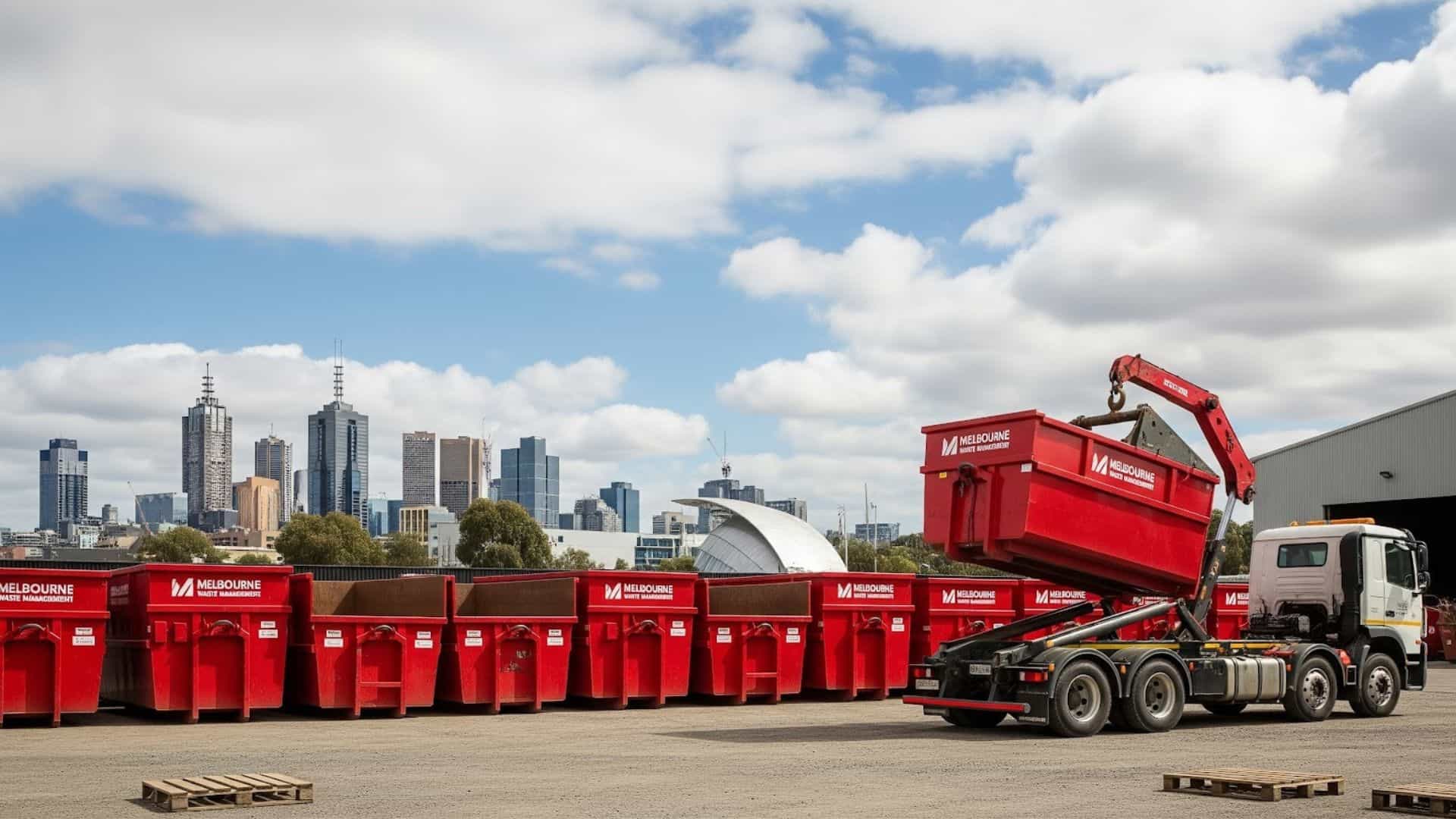
A hook lift bin is a large, heavy duty bin designed to be loaded and unloaded by a hook lift truck. The truck uses a hydraulic hook arm to pull the bin onto the chassis or set it down quickly on site.
Over our years in the industry, we’ve seen that they’re great for bulk waste management, which includes demolition waste, general waste from construction sites, green waste, but all really have the capacity to manage everything.
I also recommend reading the blog How Hook Bins Differ From Skip Bins to get a more holistic perspective.
Hook lift bins: typical use cases
- High volume waste streams (e.g., demolition rubble, mixed construction waste)
- Heavy materials (e.g., concrete, bricks, soil—subject to weight limits)
- Industrial clean-ups and shutdowns
- Projects requiring multiple waste streams for recovery (e.g., timber, metal, general waste)
Typical hook lift sizes (metro projects)
- 10–15 m³: common for mid sized construction and commercial refurbishments
- 20–30 m³: common for demolition, large commercial builds, and civil works
- 30–35 m³+: specialist applications, often subject to access and weight considerations
The mistake we see most often is sites choosing a size based on volume alone. Weight matters just as much, especially when dealing with masonry, wet soil, concrete, or mixed rubble.
Where Skip Bins Still Fit In
Traditional skip bins (often smaller and easier to place in tight areas) can still be the better option for:
- Inner city laneways and tight access sites
- Small renovations with limited waste volume
- Locations with overhead constraints (wires, awnings, trees) that restrict hook lift operation
Why 2026 looks like a “mainstream” moment for hook lift bin hire
Hook lift bins aren’t new, but several factors are aligning to make them more common across Australian metropolitan markets, not just on large industrial sites.
1) Metro project scale is favouring fewer, larger bins
High rise construction, major infrastructure packages, and demolition projects generate volumes that often make multiple small skips inefficient.
Hook lift bins reduce the number of collections required and can simplify onsite logistics when waste output is consistent.
2) Fleet efficiency matters more in congested urban areas
In metro environments, truck movements are expensive in time, money, and disruption. hook lift trucks can:
- Swap bins quickly (drop an empty, pick up a full, and go)
- Handle larger payloads per trip (within legal weight limits)
- Support multi bin site setups (e.g., dedicated bins for recyclables and general waste)
3) Resource recovery and compliance pressure is increasing
Councils and major developers are increasingly focused on waste diversion and reporting. Larger bins make it easier to:
- Segregate key waste streams (e.g., metal, timber, concrete)
- Consolidate materials for efficient processing
- Reduce contamination in recyclable loads (which can drive up costs)
4) Availability is improving across metro regions
Historically, hook lift bins were less accessible outside major industrial corridors. That’s changing as more hire operators expand fleets and offer a wider range of bin sizes, making hook lifts a practical option for more metro customers.
Where hook lift adoption will be fastest (and where it may lag)
Likely fastest uptake: Sydney, Melbourne, Brisbane
Major metro centres tend to have:
- Concentrated commercial construction pipelines
- More established waste and resource recovery infrastructure
- Greater availability of trucks, drivers, and bin fleets
That combination makes hook lift hire easier to schedule and easier to integrate into tight build programs.
Likely slower uptake: tight inner city zones and constrained sites
Even if demand grows, some locations will continue to favour smaller or specialised solutions due to:
- Narrow streets and limited turning circles
- Strict kerbside controls and restricted set down zones
- Overhead hazards (power lines, trees, building overhangs)
- Sites that require crane/lift placement rather than hook lift loading
When a hook lift bin is the right choice (and when it isn’t)
A hook lift bin is often ideal if you have:
- High waste volume over a short period (demo, strip-out, bulk excavation spoil—where permitted)
- Heavy or bulky waste that quickly overloads small skips
- Multiple waste streams you want separated for recycling and cost control
- Clear site access for a hook lift truck to safely set down and retrieve bins
A skip bin (or alternative solution) may be better if you have:
- Low volume waste where a large bin would sit underutilised
- Highly constrained access (tight streets, limited hardstand, steep grades)
- Overhead constraints that create safety risks for hook lift operations
- Short set down windows where kerbside placement isn’t feasible
Key considerations to get right before you book hook lift bin hire
For facilities managers, EHS teams, and project leads, the decision is rarely just “what size bin?” These checks help reduce delays, cost blowouts, and safety issues.
1) Access, set down area, and overhead clearance
- Confirm the truck can enter, manoeuvre, and exit without reversing into traffic where possible
- Ensure a stable set down surface (avoid soft ground and sloped areas)
- Check for overhead hazards (power lines, awnings, tree branches)
2) Permits, traffic management, and kerbside rules
If the bin is placed on a road or verge, you may need council permits and traffic control. Requirements vary by local Australian council and site conditions, so it’s worth confirming early, especially for inner metro projects.
3) Weight limits matter as much as volume
Bins can “look” like they have space left but exceed legal transport limits depending on material density. Common high risk loads include concrete, wet soil, and masonry.
One good approach is to:
- Select a bin size that matches both volume and expected weight
- Separate heavy materials into dedicated loads where feasible
- Avoid overfilling—this can create safety and compliance issues during transport
4) Segregation strategy: design your bins around recovery outcomes
If your project has recovery targets (or you want to reduce disposal costs), plan bin allocation up front. Typical metro site setups include:
- Metals (clean scrap where possible)
- Timber (separated from general waste to reduce contamination)
- Concrete/bricks (where accepted for recycling streams)
- General waste (residual mixed waste)
5) Cost vs efficiency: compare total project cost, not line items
Hook lift bins often make financial sense when they reduce:
- Number of collections and truck movements
- Idle time waiting for bin swaps
- Site downtime caused by waste bottlenecks
When comparing quotes, factor in hire period, haulage frequency, waste type, contamination risk, and any permit or traffic management requirements.
Risks and limits to a full metro transition in 2026
Even if hook lift hire continues growing, a complete “swap” from skips to hook lifts across all metro waste jobs is unlikely in the short term. Key constraints include:
- Dense urban access limitations that restrict truck and bin placement
- Market cycles (slowdowns in certain construction segments can reduce demand)
- Fleet capacity and driver availability during peak infrastructure and commercial build periods
Practical 2026 checklist: is your metro site hook lift ready?
Use this quick checklist to sense check suitability before you request pricing.
- Volume: Is your expected waste volume consistently above ~10 m³?
- Material type: Are you managing heavy or bulky materials that quickly overwhelm skips?
- Access: Can a hook lift truck safely enter, set down, and retrieve the bin?
- Clearance: Is there adequate overhead clearance for safe operation?
- Placement: Do you have a stable, level set-down area?
- Compliance: Do you need reporting, traceability, or recovery outcomes for stakeholders?
- Segregation: Can you allocate multiple bins to reduce contamination and improve recycling?
A quick safety note on hazardous or unexpected waste
Metro projects can uncover unknowns, like legacy drums, contaminated soils, chemicals, or materials that require controlled handling. If you suspect hazardous waste, don’t attempt to move or repackage it yourself. Engage a licensed waste contractor to assess, classify, and manage it correctly.
If you have an incident that poses an immediate risk (e.g., a spill), Cleanway’s team can support rapid containment and compliance led response.
How Cleanway supports compliant, high efficiency bin hire and waste solutions
Cleanway helps metro projects and facilities manage waste with a practical focus on safety, compliance, reliability, and efficiency.
If you’re planning for 2026 workloads and want a bin strategy aligned to access constraints, recovery targets, and site productivity, we can help you map the right approach.
- Bin selection support based on site access, waste type, and program requirements
- Recovery-led planning to reduce contamination and improve diversion outcomes
- Compliance-first waste management suitable for industrial and commercial sites
Next step: Request advice or a quote via Cleanway.