
Hazardous waste management constantly tries to evolve in order to adequately meet the new types of hazardous waste generated each year. As with other forms of waste management, this involves looking at more sustainable ways of disposing wastes.
This is true for industrial waste and household hazardous waste. While their volumes and make up may differ, professional experts are still needed to ensure safe and secure management.
This blog outlines some of the new techniques in hazardous wastes management. Many build of systems from the past and ultimately look at how to be more efficient.
What Counts as Hazardous Waste Management
Hazardous waste management covers everything needed to handle dangerous materials safely. This starts with identifying what you’re dealing with, then collecting, transporting, and processing materials using appropriate methods.
Common hazardous wastes examples include motor oil, gas cylinders, fluorescent lamps, embedded batteries, old mobile phones, asbestos, chemicals, and many other items that can cause harm to human health.
The process involves more than just getting rid of stuff. Professional services assess risks, choose suitable containers, plan safe transport routes, and ensure materials reach facilities equipped to handle them properly.
Modern approaches focus on preventing problems rather than reacting to them. Good hazardous waste management protects workers, communities, and the environment whilst meeting regulatory requirements.
Most Businesses Generate Some Hazardous Wastes
You might think your business doesn’t create dangerous materials. Check again.
Offices produce electronic waste containing heavy metals. Workshops accumulate contaminated rags and solvents. Retail stores deal with expired products containing hazardous components.
Healthcare facilities generate infectious waste and pharmaceutical materials. Manufacturing operations create contaminated substances and spent chemicals. Even cleaning supplies become hazardous waste once they’re used up.
The trick is recognising these materials and handling them appropriately. Many business owners discover they’ve been creating hazardous waste for years without realising it.
Similarly, household hazardous wastes, coming from household chemicals and other harmful substances, should not be ignored as they can harm public health.
Why Professional Services Make Sense
Most businesses can’t maintain the expertise, equipment, and facilities needed for proper hazardous waste management. The regulatory requirements change regularly. Specialised containers cost thousands of dollars. Treatment facilities require expensive permits and monitoring equipment.
Professional services already have these capabilities. Licensed operators understand current regulations and possess knowledge needed to handle different waste types safely.
They also provide accountability that matters when dealing with dangerous materials. Complete documentation and disposal certificates prove materials were handled properly if questions arise later.
Professional providers maintain relationships with treatment facilities and understand which options work best for specific waste types.
Proven Techniques That Work Better
These hazardous waste management techniques follow many of the waste management best practices that Cleanway is know for. They are safe and environmentally friendly, with many seeking to extract valuable resources from waste items so that they can be collected and converted into useful materials.
Many also work well with household hazardous waste, but the necessary intervention will differ given the volume and the lack of need for a hazardous waste permit. Be sure to read some of our other blogs for further information.
Complete Waste Assessment
Professional services start by figuring out exactly what hazardous materials your business generates. This involves examining storage areas, reviewing purchase records, and testing unknown substances.
On-site assessments reveal waste patterns and identify storage problems that create unnecessary risks. Many businesses discover they generate more hazardous waste than expected once professionals examine their operations.
Proper assessment also determines regulatory classifications for different materials. These classifications affect transport requirements, treatment options, and disposal methods.
Getting classification right prevents costly problems when materials reach treatment facilities. Misclassified waste often gets rejected, creating delays and additional costs.
Reliable Collection Services
Collection services provide appropriate containers for different waste types and handle all packaging requirements. Trained personnel use proper safety equipment and follow established procedures during collection activities.
Regular collection schedules prevent dangerous accumulations whilst emergency services address urgent disposal needs. Professional collection includes proper labelling and documentation to ensure regulatory compliance.
Collection teams understand material compatibility and prevent dangerous reactions between different waste types during transport. This knowledge prevents accidents that can occur when incompatible materials mix accidentally.
Safe Transport Operations
Moving hazardous waste requires specialised vehicles and trained drivers who understand dangerous goods regulations. Professional transport services maintain appropriate vehicle specifications and safety equipment.
Route planning considers traffic patterns, road conditions, and proximity to sensitive areas like schools or hospitals. Emergency procedures address potential incidents during transport.
Professional transport includes tracking systems and documentation that provide complete accountability from pickup through delivery. This traceability satisfies regulatory requirements whilst protecting businesses from liability issues.
Treatment and Processing Facilities
Licensed treatment facilities use various methods to process hazardous waste safely. Chemical treatment neutralises dangerous compounds. Thermal treatment destroys organic materials. Stabilisation processes reduce mobility of toxic substances.
Modern facilities include sophisticated monitoring systems and environmental controls that ensure safe operations. Regular inspections and compliance audits maintain high safety standards.
Treatment capabilities vary between facilities, so professional services match waste types to appropriate processing methods. This ensures optimal treatment whilst minimising costs.
Liquid Waste Specialisation
Liquid hazardous waste needs different handling than solid materials. Professional services include assessment, analysis, and transport to facilities equipped for liquid waste processing.
Treatment options for liquid waste include separation, neutralisation, and recovery processes where valuable materials can be extracted. Proper analysis ensures appropriate treatment selection.
Liquid waste services accommodate various materials including solvents, contaminated water, and chemical solutions. Each type requires specific handling and processing approaches.
Chemical Waste Disposal
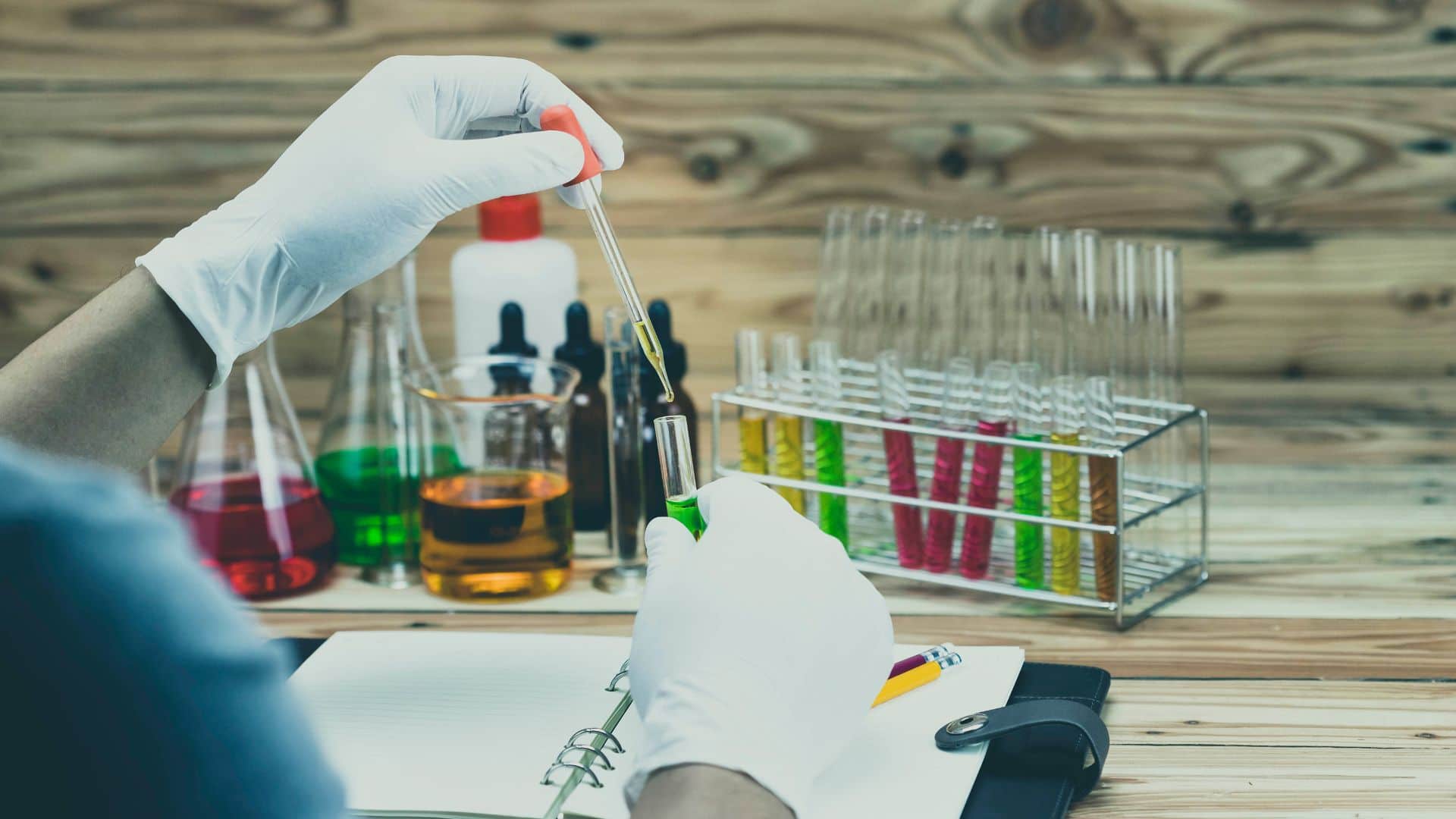
Laboratory chemicals, industrial solvents, and contaminated materials each need different disposal approaches. Professional services identify waste characteristics and select appropriate treatment methods.
Chemical waste disposal includes both routine collections and emergency situations involving spills or damaged containers. Proper handling prevents worker exposure and environmental contamination.
Treatment methods depend on chemical properties and may include neutralisation, incineration, or secure disposal. Professional services ensure complete destruction or safe disposal of all materials.
Emergency Response Capabilities
Spills, container failures, and urgent disposal situations require immediate professional attention. Trained response teams provide rapid assistance to minimise risks and environmental damage.
Emergency services include assessment, containment, cleanup, and disposal of incident materials. Fast response prevents small problems from becoming major environmental incidents.
Professional emergency response includes proper regulatory notifications and documentation. Coordination with authorities ensures compliance requirements are met during crisis situations.
Resource Recovery When Possible
Many hazardous waste streams contain valuable materials that can be recovered and reused. Professional services identify opportunities for recycling and recovery whilst ensuring safety throughout the process.
Recovery operations reduce disposal volumes and provide economic benefits. Even small amounts of recovered materials can offset disposal costs for other waste streams.
Recycling programmes include quality control measures that ensure recovered materials meet standards for industrial reuse. This approach supports sustainability whilst reducing overall costs.
Industry-Specific Solutions and Further Information
Different industries generate different types of hazardous waste that require specialised knowledge and equipment. Healthcare, manufacturing, laboratories, and automotive sectors each have unique requirements.
Professional services develop expertise in specific industry needs and regulatory requirements. This specialisation ensures optimal service delivery and compliance outcomes.
Industry-focused approaches include equipment and procedures designed for particular waste types and operational requirements. Customised solutions work better than generic approaches.
Technology Keeps Improving
Digital tracking systems now monitor waste from generation through final disposal. GPS technology tracks transport vehicles in real time. Laboratory analysis uses advanced techniques that identify waste characteristics more accurately.
These improvements increase safety whilst providing better documentation and accountability. Real-time monitoring helps prevent problems and ensures rapid response when issues occur.
New treatment technologies recover more valuable materials from waste streams whilst reducing environmental impact. These advances make professional hazardous waste management more effective and economical.
Getting It Right
Professional hazardous waste management uses proven techniques that address real challenges Australian businesses face. These approaches ensure safety and regulatory compliance whilst often reducing overall costs.
The techniques work because they’re based on years of experience handling different waste types in various situations. Professional providers like Cleanway understand what works in Australian conditions and what doesn’t, as well as the regulations surrounding accords like the Basel convention.
Businesses benefit from accessing this expertise without having to develop internal capabilities. Professional hazardous waste management allows companies to focus on core operations whilst ensuring waste responsibilities are handled properly.
For Australian businesses needing reliable hazardous waste management, Cleanway provides comprehensive services from assessment through final disposal. Our proven techniques ensure materials are handled safely whilst meeting all regulatory requirements.