

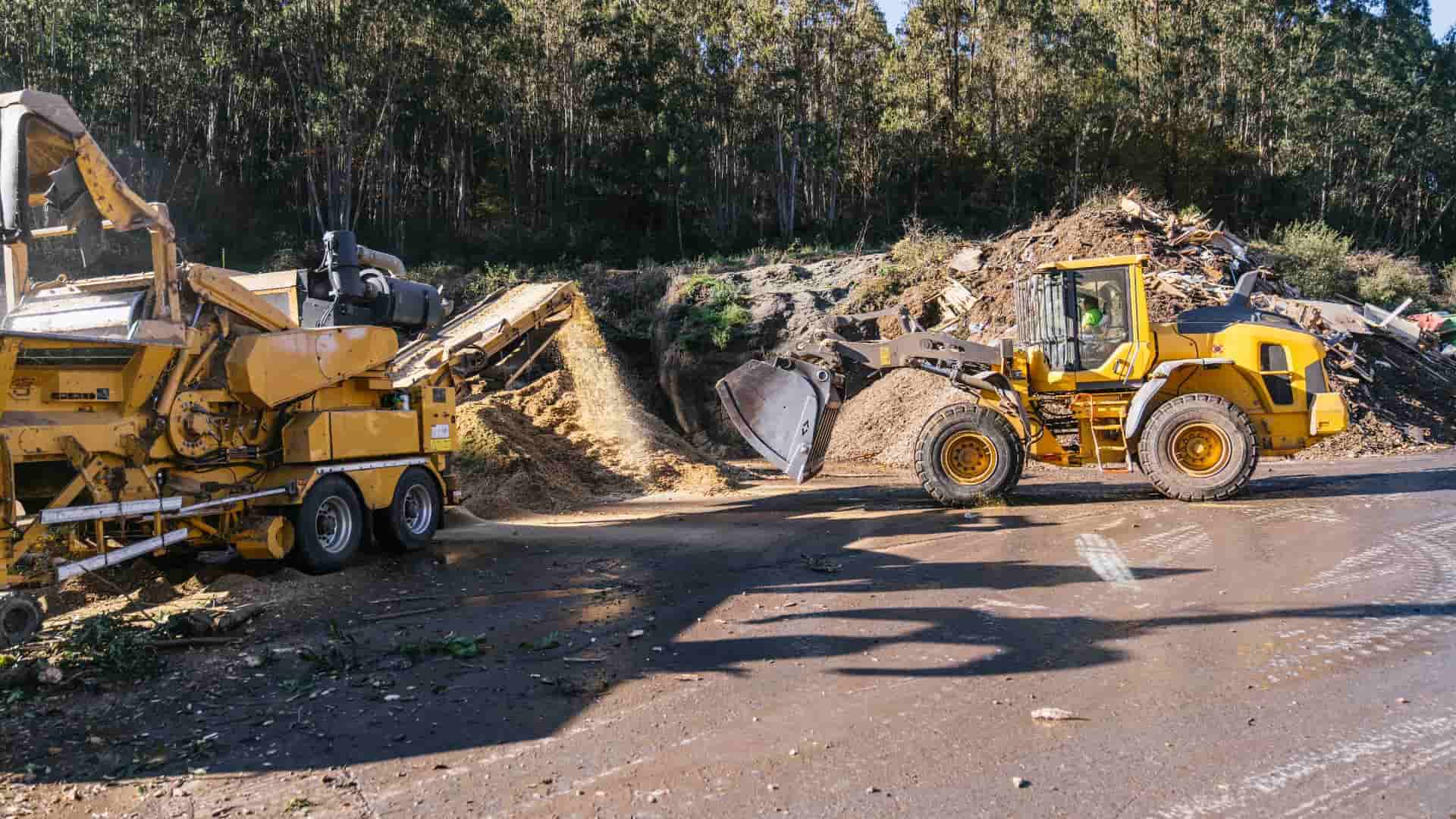
Waste management solutions encompass a broad variety of ways of dealing with what humans produce and no longer need. Given that waste can come as hazardous waste, food waste, organic waste, or even e-waste, there are many waste management solutions available today.
However, while most companies deal with their own waste, this can cause issues. For one, most companies do not have the in house waste services necessary to properly manage waste collection, resource recovery, or other common disposal tactics.
And it goes without saying that local businesses most won’t have recycling facilities in their back.
This blog explores the typical waste management issues that a company might face. It ultimately suggests, that in order to develop a truly sustainable future, where waste management business needs are met, then companies should consider hiring suitable waste management companies like Cleanway.
Poor Planning and Underestimating Waste Volume
The biggest headaches in waste management come from poor planning. Many Australian homeowners and builders misjudge how much rubbish a job will produce, and that leads to full bins, last-minute pickups, and bills that escalate.
Renovation work usually generates much more waste than people expect. A basic kitchen upgrade can produce between four and six cubic metres, while redoing a bathroom often adds two to three more.
Even a garden tidy that appears quick can fill several bins once trees, shrubs, and years’ worth of debris are removed.
Common Issues with Waste
The different waste types naturally create different management systems. Recycling, for instance, is effective at reaching the sustainability goals of the future only if the waste in question can be recycled and is done so properly.
Hazardous Waste Management
There is a huge range of hazardous waste that might be produced during the industrial process, all of which needs safe disposal in order to prevent damage to the environment and to keep humans safe.
Poor disposal techniques tend to stem from a disregard to this waste type, where safety and efficient disposal tactics are not followed.
The Effect of Poor Waste Management and Resource Recovery
Underestimating volume triggers a chain reaction of problems. Waste trucks can’t lift overfilled bins so they remain on-site, blocking walkways and inviting pests.
Booking extra bins at short notice usually costs twenty to thirty percent more and, when added to delay fines, the totals increase rapidly.
Timing suffers whenever capacity falls short. Work halts while a driver makes the run, and that pause impacts the schedule just when paint is setting or tiles need cutting. Trades already lined up may move on, pushing completion dates even further out.
Picking the Wrong Skip Bin for Waste Services
Choosing the wrong-sized bin is still one of the most common waste blunders. A container that proves too small keeps overflowing, yet a large unit consumes funds while blocking lanes or garages. Striking the right balance at the start saves hassle and keeps the site tidy.
Choosing the Right Size Skip Bin For General Waste
When ordering a skip bin, many people buy the cheapest size rather than the one they truly need. A 2-cubic-metre container looks like a good deal, yet if a job creates 4 cubic metres of rubbish, two bins are required. That usually costs more than one larger skip.
Access and Placement Problems
Getting a large bin into a tight spot is rarely easy. The truck that drops it off must also return to pick it up. If driveways are narrow, trees hang low, or the street is crowded, drivers may have to improvise. This can increase the final bill and extend the schedule.
Weight Distribution Issues
Skips fill up with all sorts of waste, but not every material weighs the same. Concrete slabs, for example, are heavy, while timber and cardboard are light. Cramming both into one bin can buckle the truck or injure workers. Knowing what goes in together keeps collections smooth and wallets healthy.
Waste and Recycling Solutions
Waste and recycling work hand in hand, and should not be seen as only an option for green waste. According to the waste management hierarchy, efficient waste services seek to use waste disposal infrastructures like landfills as a final option.
This is because it is far more beneficial for the environment to reuse waste in new and creative ways. Recycling is the most popular method to do so in part because it works best.
Lack of Waste Segregation
Probably the biggest headache occurs when different types of rubbish end up mixed together. Recyclables tossed in with general waste or hazardous materials mixed with everyday rubbish slow down sorting and create additional problems.
Contaminated waste is a significant headache for anyone involved in waste management. When liquids leak into a bin, food scraps mix with construction debris, or leftover paint spills onto otherwise clean cardboard, the whole load can no longer be sent to standard disposal centres.
Not separating recyclables correctly wastes resources and money. When mixed, these materials typically go straight to landfill, losing the chance to be reused and possibly increasing the disposal bill for the project.
Environmental Considerations
Throwing different waste types into the same container causes real-world headaches for people and the planet. Food scraps stuck in regular bins smell terrible and attract pests. Chemicals and batteries, meanwhile, can leak and poison soil or waterways unless collected in special containers.
For a contractor, messy waste can sour relations with neighbours. Overloaded bins, foul odours, and blocked driveways lead to complaints, fines, and delays that stretch well beyond the waste yard.
Ignoring how choices today affect tomorrow keeps managers awake longer than any machinery. Chasing the cheapest bin service instead of a full-sorting partner usually incurs more in extra fees and environmental clean-ups down the line.
Conclusion
Understanding these common causes of waste management issues empowers you to avoid costly mistakes and ensure smooth project execution. Most waste management problems stem from inadequate planning, poor communication, or misunderstanding service requirements rather than unavoidable circumstances.
Successful waste management requires attention to detail, clear communication, and realistic planning. By addressing these common causes proactively, you can prevent most waste management issues and focus on completing your projects efficiently and cost-effectively.