
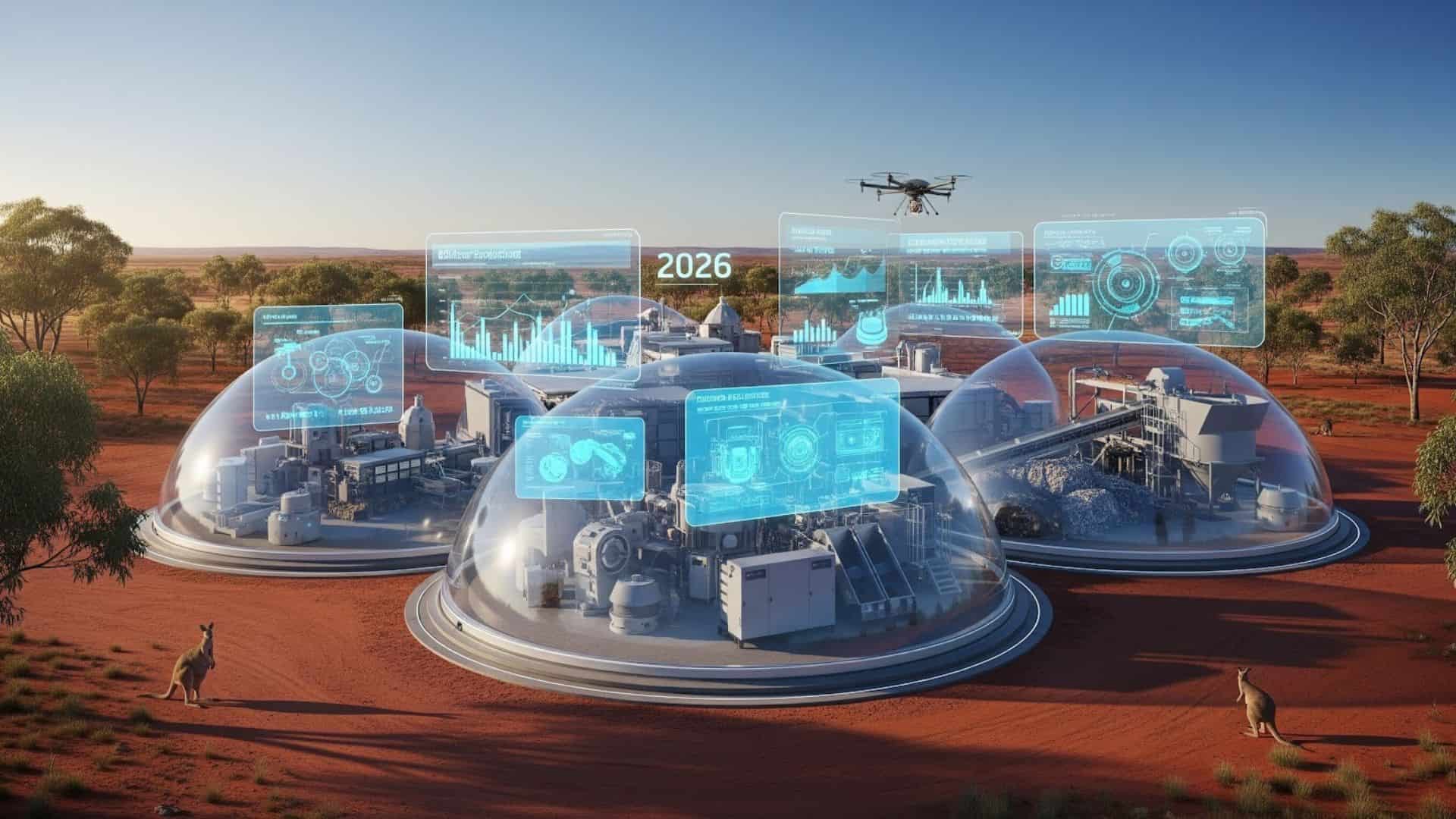
Hazardous waste management in Australia could very well be heading into a more tightly regulated era in 2026.
This should not come as a major surprise. Tighter regulations for managing hazardous waste and hazardous materials is common given the potential harm these waste materials can cause to human health or the environment.
Hazardous waste management also has the added challenge of needing to deal with liquid waste, industrial waste, electronic waste, clinical waste, and general hazardous substances in a safe and secure way.
Why hazardous waste disposal compliance is getting tougher in 2026
The result is more scrutiny on the entire chain of custody, from the moment waste is generated to its final treatment or destruction.
Three big forces are the push behind this shift:
- New national chemical management expectations, including stricter requirements for high risk industrial chemicals (via IChEMS).
- Rapidly evolving “emerging hazardous streams” such as PFAS contaminated waste, lithium ion batteries, and certain e waste categories.
- Stronger state enforcement and penalties, plus increased workplace monitoring requirements (e.g., new Workplace Exposure Limits).
But, luckily, understanding these rules aren’t wholly essential if you partner with a waste management company like Cleanway as we will handle the complications.
Key changes shaping hazardous waste management in Australia (2026)
Hazardous waste regulation in Australia continues to tighten, with 2026 set to bring higher expectations around classification, treatment, and accountability.
For industrial operators, the direction is clear: stronger controls, more verification, and less tolerance for informal or legacy disposal practices.
1) IChEMS: higher expectations for industrial chemical disposal and “irreversible transformation”
The Industrial Chemicals Environmental Management Standard (IChEMS) is expected to drive stricter requirements for chemicals that pose serious or irreversible environmental harm.
More substances are likely to require documented risk management plans and clearly defined end of life pathways, with a stronger preference for disposal methods that destroy or irreversibly transform hazardous chemicals.
So expect increased due diligenceacross storage, handling, transport, and downstream waste treatment.
Sites generating chemical residues, contaminated absorbents, wash waters, or process by products should plan for reclassification reviews and confirm that downstream providers can meet “environmentally safe” disposal expectations.
2) PFAS controls: tighter thresholds and higher liability for contaminated wastes
PFAS remain a significant compliance and reputational risk due to their persistence and evolving regulatory treatment.
With national restrictions tightening—including bans on certain PFAS chemicals from mid 2025—2026 is likely to see stricter acceptance thresholds at treatment and disposal facilities and more scrutiny of PFAS contaminated soils, sludges, filters, PPE, and absorbents.
There will be increasing demand for verified treatment or destruction pathways where approved, rather than reliance on long term containment.
Even trace contamination can quickly become a disposal and contractual issue, requiring testing, segregation, and alternative receiving facilities.
3) Lithium ion batteries and e waste
Lithium ion batteries and battery containing devices are being more consistently treated as hazardous due to fire and chemical risks, alongside expanding landfill bans and tighter e waste disposal rules.
By 2026, operators should expect stricter requirements for safe storage and segregation, including fire safe separation and damage checks, as well as greater reliance on specialist collection and transport services.
At the same time, battery recycling and recovery pathways are expected to expand, supporting circular economy outcomes.
Damaged or unstable batteries should never be crushed or dismantled and must be treated as an emergency risk.
4) Stronger EPA powers and penalties
Environment protection regulators in several states have strengthened their powers, introducing higher penalties and broader investigative tools.
This elevates the importance of clear waste classification, defensible documentation, and robust chain of custody controls.
Contractors and downstream facilities must be carefully vetted to ensure licensed handling and lawful disposal.
In 2026, enforcement exposure should be treated as a material business risk, particularly for high volume generators and multi site operators.
5) New Workplace Exposure Limits (WELs)
New Workplace Exposure Limits expected from 2026 will drive tighter monitoring and control measures for certain dusts, fumes, and particulates.
While primarily a workplace health and safety measure, WELs will influence hazardous waste practices by shaping how materials are collected, how dust and emissions are controlled, and how waste is packaged, labelled, and stored.
Increased PPE use and disposal volumes are also likely, adding another layer of complexity to hazardous waste management.
What these changes mean for potentially harmful waste generators
More wastes will trigger licensing, storage, and transport obligations
As definitions and classifications expand (for batteries, PFAS contaminated materials, and higher risk chemical residues), more sites will find they’ve crossed regulatory thresholds without realising it.
Documentation and traceability will become non negotiable
In practical terms, “duty of care” is becoming more measurable. In 2026, sites should be prepared to produce an audit ready trail showing.
Disposal pathways may shift from “landfill” to treatment, destruction, or secure containment
For certain substances, the compliance conversation is shifting from “Where can we dispose of this?” to “How do we prove this has been treated appropriately?” That can mean higher temperature destruction, chemical neutralisation, or other approved methods that reduce long term environmental risk.
Tips to get ready for hazardous waste changes in 2026
For industrial sites, depots, workshops, and project environments, the safest way to manage upcoming hazardous waste changes is to prepare early.
Waiting until a load is rejected, an audit fails, or an incident attracts regulator attention is usually the most expensive and disruptive path.
Step 1: Reclassify and map your waste streams
Start with a structured review of all waste streams rather than relying on last year’s assumptions.
Pay particular attention to lithium ion batteries (including damaged or loose cells), PFAS contaminated materials such as soils, sludges, filters, and foam related wastes, industrial chemical residues and wash down materials, and any asbestos related streams where relevant.
Creating a simple waste stream register that records current classification, storage location, typical volumes, packaging methods, and approved downstream pathways provides a strong foundation for compliance and decision making.
Step 2: Upgrade storage, segregation, and labelling
As regulatory expectations tighten, storage and segregation are often the first areas where compliance gaps are identified.
Improving controls reduces both incident risk and regulatory exposure.
This includes ensuring bunded storage for liquids and chemical wastes where required, segregating materials by compatibility, implementing fire risk controls for lithium ion batteries, and applying clear, durable labelling that identifies contents, hazards, and relevant dates.
Step 3: Vet contractors and lock in compliant offtake agreements
In 2026, contractor due diligence is a core risk management activity, not just a procurement exercise.
Waste providers should be able to demonstrate appropriate licences for collection, transport, and receiving, robust chain of custody documentation, audit ready reporting, and evidence of compliant treatment or destruction pathways.
It is also critical to have clear rules for handling trace contamination and rejected loads. Informal or poorly defined disposal routes should be avoided, as liability can remain with the waste generator if material is mishandled downstream.
Step 4: Prepare for more reporting, audits, and data requests
Sites that can quickly produce accurate records are better positioned to respond to tighter requirements or regulatory scrutiny.
This includes manifests, waste classifications, training records, and disposal outcomes.
Implementing digital tracking for hazardous waste movements, standard operating procedures for classification and segregation, and routine internal audits—quarterly for many sites—can significantly reduce compliance risk and improve overall waste governance.
First 90 days: a short hazardous waste readiness checklist for 2026
- Audit: Complete a hazardous waste inventory and classification refresh (prioritise batteries, PFAS, chemical residues, and asbestos where applicable).
- Gap analysis: Compare current storage, permits, and disposal pathways against evolving national and state requirements.
- Contractor verification: Confirm licences and downstream treatment capability; request documentation samples (manifests, treatment certificates, reporting format).
- Site controls: Improve segregation, bunding, and labelling; review battery storage and fire risk controls.
- Training: Refresh site training for hazardous waste handling and spill response processes (including who to call and what not to do).
- Budgeting: Forecast increases in treatment and transport costs for newly regulated streams.
A quick example: how compliance issues show up in real operations
Scenario: A multi tenant industrial site consolidates waste from maintenance activities. Batteries from tools and devices are placed into general waste cages, and wash down residues are collected without consistent labelling.
What changes in 2026: Battery related fire risk and classification scrutiny increase. A contractor rejects a mixed load due to suspected hazardous content, causing operational disruption and urgent rework. Documentation gaps create additional compliance pressure during review.
Better outcome: A site wide waste stream register, battery segregation procedure, clear labelling, and a verified downstream pathway prevents rejected loads and reduces incident risk—while keeping records ready if the regulator asks questions.
How Cleanway helps businesses stay safe and compliant
Cleanway supports organisations across Australia’s eastern seaboard with practical, compliance led hazardous waste services—designed to minimise risk, keep sites audit ready, and ensure waste is managed responsibly end to end.
- Hazardous waste collection and disposal with a strong focus on safety, classification support, and compliant chain of custody documentation.
- Hazardous waste treatment and recycling where appropriate—supporting circular economy outcomes versus older disposal approaches.
- Industrial and civil services including high pressure clean and capture, specialised tank cleaning, and non destructive digging (NDD) support.
- 24/7 emergency spill response to contain and remediate incidents quickly—helping minimise downtime and regulatory exposure.
Need urgent help? Spill? Call our 24/7 emergency team on 1300 785 003 — we’ll help contain it now.
Next step: If you want to pressure test your current setup against 2026 expectations, book a free waste audit with Cleanway or request a quote.
Conclusion: treat 2026 as a hazardous waste “reset” year
Hazardous waste management in Australia is moving toward stricter classification, stronger enforcement, and higher expectations for proof of compliant treatment.
The organisations that perform best in 2026 will be the ones that re check assumptions now, strengthen segregation and storage, lock in compliant downstream pathways, and build audit ready documentation as standard practice.
If you’re unsure how upcoming changes affect your site, Cleanway can help you take a practical, low disruption approach—prioritising safety, compliance, and reliable service.